Raymond brings wind energy right into the living room
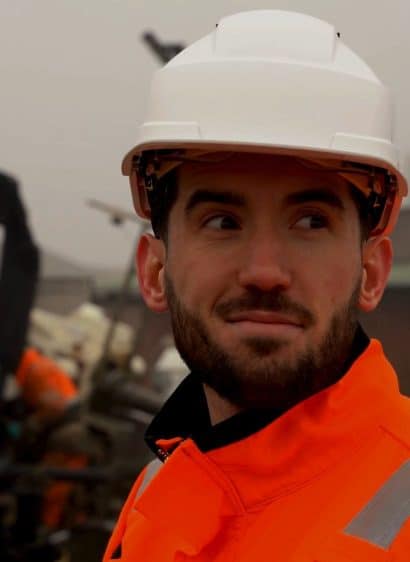
Raymond brings wind energy right into the living room through the largest infrastructure project in the energy transition.
He’s someone who gets energy from setting things in motion. Literally, as a runner with a marathon under his belt. And figuratively, in his work as a project coordinator in infrastructure engineering. He started as a work planner and worked his way up. Not necessarily by following set paths, but by seizing opportunities.
“I love it when I’m given the freedom to decide how things should be done. Not thinking in boxes, but just getting what needs to be done done.”
Getting to work on the energy transition
Through Van Vulpen, Raymond is working on the largest infrastructure project within the energy transition. Van Vulpen, together with fellow contractors Alsema and Denys, forms the NRG consortium.
In this project, he coordinates the installation of land cables that bring wind energy from the sea to land and ultimately make it available for use in living rooms.
These cables are laid underground after trenching and directional drilling, which involves crossing roads and railways. The electricity eventually flows through a substation to the high-voltage grid.Two locations, dozens of kilometers of route, a tight schedule, and thousands of requirements. “We have to meet thousands of requirements and preconditions. Everything must first be put on paper. And then it must also be demonstrably carried out.”

Raymond coordinates a team of work planners and keeps an eye on the big picture.
His role? Ensuring that everything is in order before work begins on-site, from drafting work plans to coordinating with stakeholders. “The best part is working closely with the field team. Creating a plan together and then actually executing it exactly as planned. That’s what gives me energy.”
The collaboration with STAR
Through a former colleague, Raymond came into contact with STAR and decided to have a conversation. What followed was not a standard recruitment process, but a series of exploratory discussions. At his own pace, on his own terms. Raymond spoke with various parties and ultimately made a conscious choice to join Van Vulpen. Not purely because of the industry, but mainly because of the connection with the team, the informal atmosphere, and the challenge of the project.
“I was given plenty of space to explore what else was out there. At my own pace, without pressure. Just honest conversations with a clear overview of options.”
What sets STAR apart, according to Raymond, is the trust they instill and the pace at which they adapt. No standard checklists, but genuine collaboration. “I was in a privileged position. STAR respected that, contributed ideas, and came up with relevant proposals. Ultimately, the connection with Van Vulpen was the deciding factor.”
Looking Ahead
Even now that the project is up and running, STAR remains actively involved and continues to contribute valuable insights. Whether it’s about the next steps, training needs, or a practical question, the lines of communication are open. Raymond knows where to turn, and his concerns are heard.
“When I ask a question, I get an answer the very same day. STAR isn’t just there at the start—they’re there throughout the project.”
Raymond especially appreciates the flexibility and personal touch. He doesn’t need any fuss, but he does need a partner who understands what works.
“STAR doesn’t feel like ‘an agency.’ They understand what’s important to me in my work and in our collaboration. And that makes all the difference.”
When asked to describe STAR in three words?
“Informal, forward-thinking, and committed.”