Industry
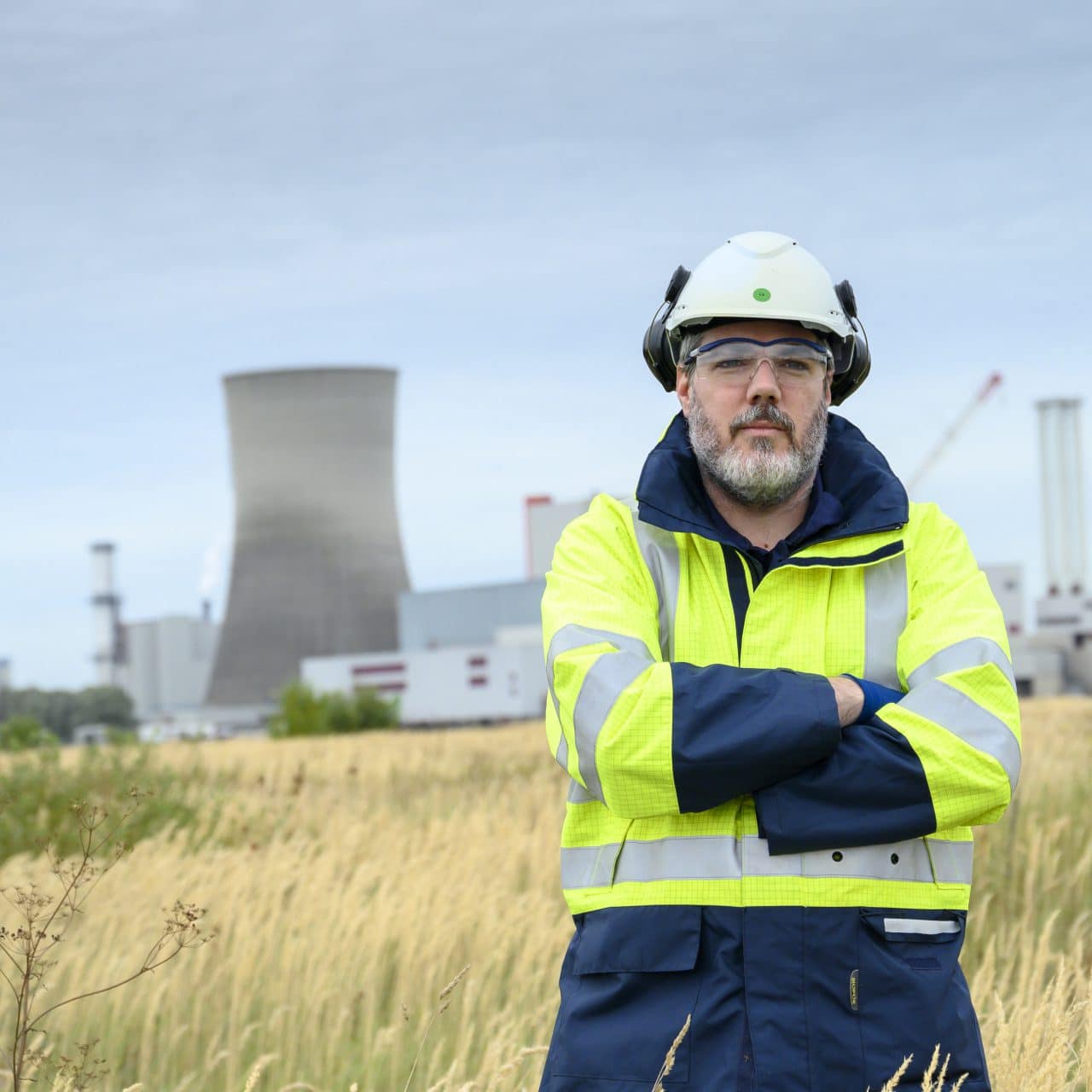
Operating in industrial environments
The Industry sector operates within capital-intensive, process-driven environments where safety standards are exceptionally high and governed by strict regulatory frameworks, permit regimes and site protocols. Continuity and compliance are non-negotiable.
Chemical plants, industrial gas facilities and metals production sites combine large-scale process systems with strict regulatory frameworks. Brownfield upgrades, capacity expansions and sustainability programs increase technical complexity while maintaining operational output.
Execution requires disciplined coordination across engineering, construction and commissioning phases, often within live, brownfield production environments where operational continuity must be maintained.
In this context, technical delivery demands clarity in scope, structured interface management and strong quality control.
Where we support our clients
Chemicals
Base, specialty and petrochemical production facilities with complex process systems, pressure equipment and ATEX-classified areas.
Delivery requires disciplined coordination across engineering, construction and commissioning within live, safety-critical production environments.
Industrial Gases
Air separation units, hydrogen production and high-pressure storage and distribution systems.
Continuous production, cryogenic installations and strict process safety standards demand precise scope control and shutdown planning.
Metals & Minerals
Primary production, refining and heavy industrial processing facilities.
High-temperature processes, rotating equipment and brownfield upgrades require structured execution while maintaining operational stability.
Selected environments
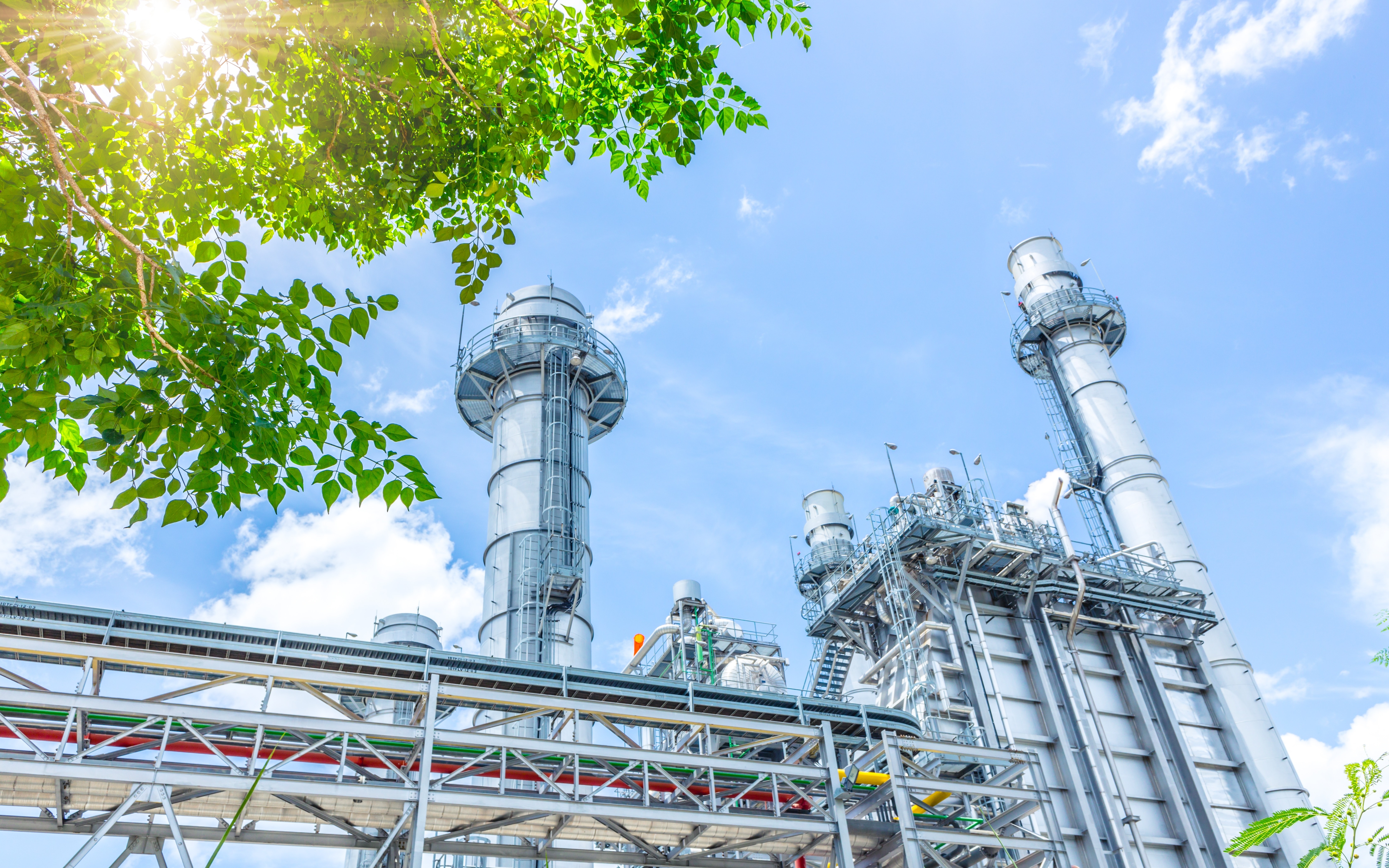
Our specialists have supported complex process and production environments such as:
Industrial gas production facilities
Support within continuous production environments including air separation units and hydrogen plants, requiring scope control, process safety oversight and structured commissioning readiness.
Steel and materials production facilities
Brownfield capacity expansion and modernization programs within heavy industrial sites, involving high-temperature processes and complex material handling systems.
Carbon capture and circular process installations
Implementation of advanced process systems within regulated industrial environments, requiring multidisciplinary coordination and structured quality control.








Organised by discipline
We structure our organisation by technical discipline, not by sector.
Technical disciplines are not commercial labels. They are specialist domains, each with its own standards, technical depth and accountability. Our consultants operate within these domains and understand the technical context in which they deliver. This allows us to assess technical fit before mobilisation, not after.
Sector context changes. Technical execution principles do not. Scope definition, interface control, configuration management, quality assurance and commissioning readiness remain critical across capital-intensive environments.
We operate within clearly defined domains, validate technical scope before mobilisation and commit only where we can maintain control over delivery and risk.
What this means for your team
You receive specialists with proven expertise in your technical domain.
Because we organise around disciplines and validate scope before mobilisation, profiles match the actual production environment — not just the job description. That reduces onboarding time, limits rework and prevents misalignment between engineering scope and site execution.
Our specialists recognise where interface gaps typically occur, how design revisions impact ongoing operations and what shutdown or turnaround windows require from earlier engineering phases.
The result is stronger control over safety, fewer execution disruptions and more predictable delivery within live industrial environments.
“Their understanding of compliance and site requirements reduces risk during execution.” – Industrial Project Manager
Let's get in touch
Whether you are defining engineering scope, managing interfaces or preparing for commissioning, we can assess where specialist depth supports your delivery.